All Categories
Featured
Table of Contents
Offshore outsourcing provides business access to larger skill pools and lower expenses, making it a strong alternative for specialized work or 24/7 assistance. Here's what it offers and where extra attention might be needed.
Depending upon where your service is based, offshore locations may provide wider access to specialized skill across a wide variety of functions. Offshoring likewise supports continuous progress by working throughout various time zones. Jobs can be handed off from one team to another, helping work move forward beyond basic company hours.
Optimizing Resource Allocation for Global Delivery SuccessFinally, the expense advantage stays a crucial reason businesses turn to offshore companies. For lots of companies, lower wage expectations in particular overseas areas permit them to scale faster and deal with bigger work without jeopardizing cost performance. This makes offshore outsourcing a strong fit for services concentrated on long-term growth and budget-conscious planning.
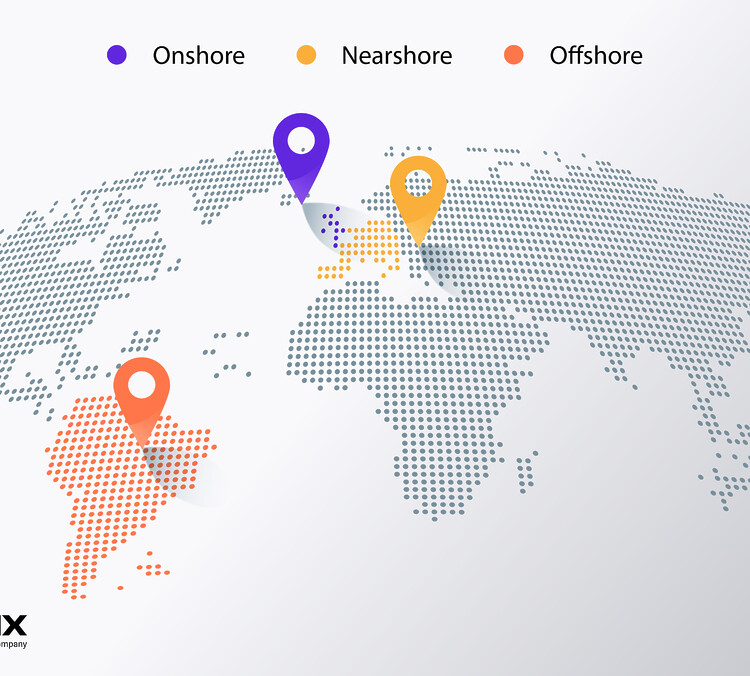
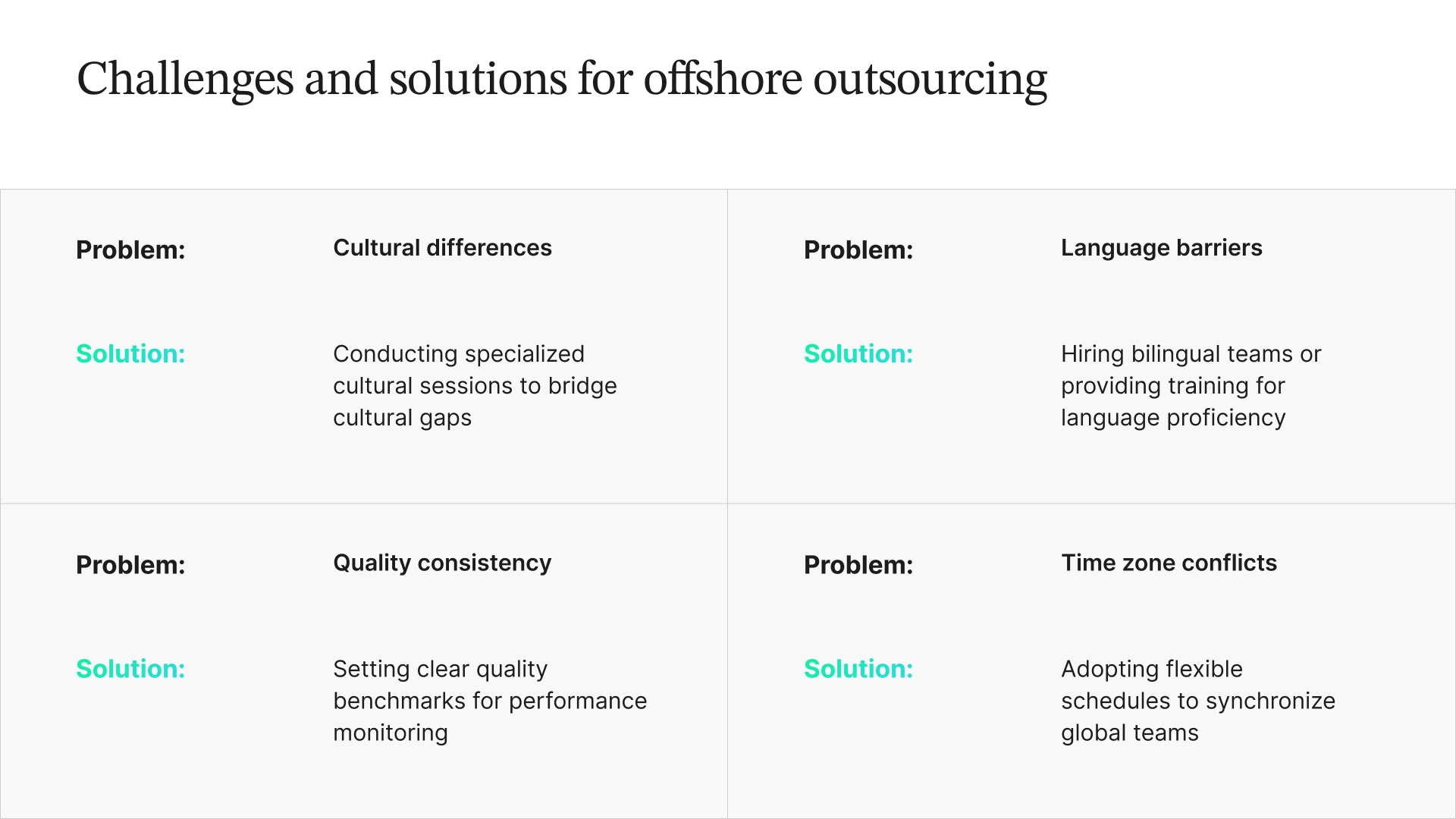
Working across time zone differences has the chance to slow interaction when live collaboration is needed. Without well-defined procedures or expectations throughout partner choice, these delays can lead to slower approvals or misalignment on project updates. There may likewise be cultural barriers that affect how feedback is dealt with or how concerns are raised.
That stated, offshoring stays a strong choice when work is steady and plainly scoped. With structured onboarding and strong job management with a reputable partner, overseas outsourcing can assist businesses meet budget objectives and keep operations running at scale. The right outsourcing method depends upon the type of work being done.
Launch Effective Nearshore Offices for Reduce Overhead
In addition, some industries benefit from close collaboration and fast feedback, while others focus on scale and expense savings. This design supports faster concern resolution and mid-sprint pivots, making it ideal for nimble workflows.
Offshore software advancement more often relies on asynchronous workflows, with teams offering structured updates around time zone distinctions. These teams assist solve problems and enhance reaction times. Nearshore client support groups are typically picked for their capability to provide responsive service throughout shared company hours.
Hourly costs may be greater than offshore alternatives, however the interaction ease can be worth the trade-off for real-time assistance. Offshore customer assistance is developed for scale and efficiency, with groups dealing with high call volumes and offering extended or 24/7 schedule. Offshore places such as Pakistan and Indonesia are emerging gamers in this space, providing competitive rates and growing service infrastructures.
Scaling the Global Capability Center Strategy for America
Company Process Outsourcing (BPO) is when companies outsource operational jobs like data entry or HR services. Nearshore BPO teams often handle complicated workflows that need documentation precision or regulative awareness.
The trade-off is a greater cost per seat compared to overseas groups, and sometimes, smaller sized team availability. Offshore BPO service providers are widely known for handling high-volume, rules-based jobs effectively. Nations like Morocco and Ethiopia are broadening their functions in this space, providing experienced teams and competitive prices for work like claims intake and invoice processing.
Digital marketing outsourcing is when companies employ external groups to support brand name growth and campaign execution. Nearshore imaginative groups are a strong fit for marketing work that depends on fast feedback and cultural alignment.
Enhancing Corporate Agility With Custom GCC Solutions
These teams can align more easily on brand voice and dive into planning sessions with very little delay. While expenses might fall in between onshore and overseas alternatives, many companies choose nearshore partners for the capability to stay in sync during the innovative process. Offshore marketing teams are frequently used to produce large volumes of digital possessions effectively.

Latest Posts
Tips to Manage Global Talent to ROI
International Talent Acquisition Trends for Scalable Expansion
Global Outsourcing Vs Nearshore Centers: a 2026 Review